In many Asian countries, breathing exercises are not something children learn on a course – they are part of the school day. The idea is simple: when children learn to notice their breath, they get a tool they can use when they become angry, scared or stressed. Here are some examples.
India: yoga and pranayama in school
India's national education policy from 2020 (NEP 2020) emphasizes that yoga should be part of education. In the CBSE school system, yoga is part of the subject of health and physical education, and many schools do yoga and breathing exercises at morning assembly. On International Yoga Day on 21 June – which the UN adopted in 2014 – millions of schoolchildren do yoga and breathing exercises at the same time.
Typical exercises for children are belly breathing, bumblebee breath (bhramari) and simple alternate nostril breathing.
The breathing guide counts for you – full screen, with a calm tanpura in the background.
Bhutan: education for Gross National Happiness
Bhutan is known for measuring Gross National Happiness (GNH) instead of just gross national product. From around 2010 the country launched the "Educating for GNH" initiative, which among other things brought mindfulness and "mind training" into schools, with training for teachers. Since then, several programmes in mindfulness and compassion have been tried out in schools, and the country's universities have introduced mindfulness classes.
Thailand: mindfulness in kindergarten
Thailand has a long Buddhist tradition of meditation, and many schools start the day with a short quiet moment. Researchers at Mahidol University have developed and tested a mindfulness programme adapted to Thai kindergartens. In a study of preschool children at increased risk of difficulties, the children who followed the programme for eight weeks improved their executive functions – that is, the ability to steer attention and behaviour.
Japan: deep breaths after the morning exercises
In Japan, the radio exercises rajio taisō have been part of everyday life for almost a hundred years. Many children do them at school and during the summer holidays. The exercises end with deep, calm breaths with the arms going up and down – a little breathing exercise that almost every Japanese person knows.
Singapore: MindFUN
In Singapore, researchers have tried out the programme MindFUN! for children aged 7–12, with playful mindfulness and breathing exercises. The children liked the programme and understood the exercises well, but the researchers also write that schools in Singapore lag behind countries such as the United Kingdom and Australia in using such programmes.
What does the research say?
A systematic review of yoga and mindfulness for children aged 3–5 in kindergartens and schools found 16 studies. 13 of them reported improvements in, among other things, self-regulation and attention – but the quality of the studies varied a lot. In other words: it is promising, but we need better research.
Try it at home or in kindergarten
The most-used exercises for small children are playful and picture-based:
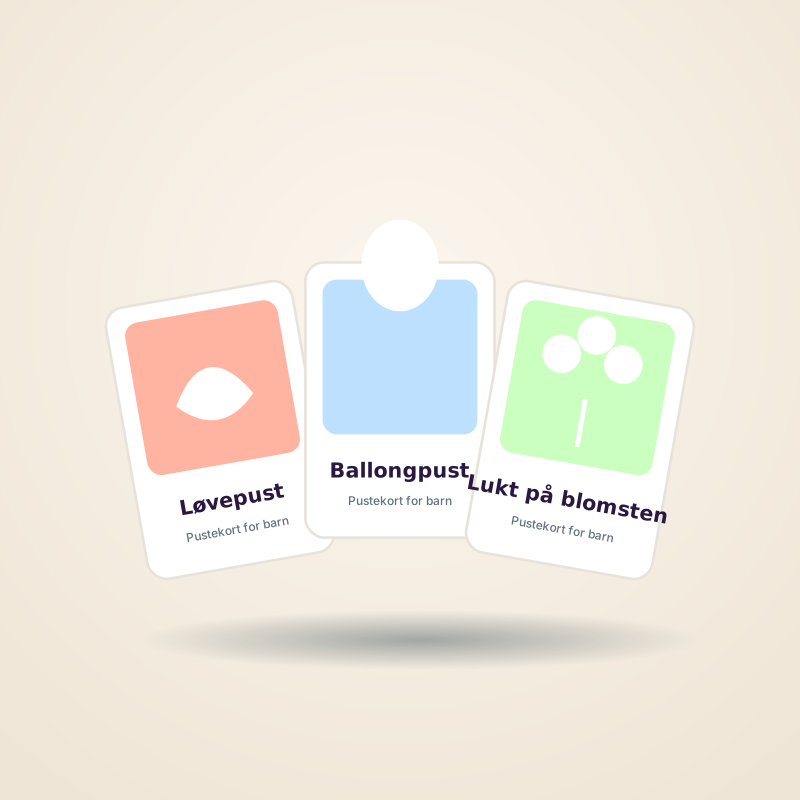
- Smell the flower – blow out the candle
- Teddy bear breathing
- Finger breathing
- Balloon breathing
- Lion's breath
Practise in calm moments first, so the children can use the exercises when feelings get big. And let the child lead – breathing exercises should never be forced, and children should not practise breath holds.
Top image: Yoga at sunrise in Goa, India (see image credits). This article is general information and does not replace medical advice.