Freediving for beginners
Gliding down into blue water on a single breath is one of the calmest experiences you can have. Here is what you need to know – from dry training at home to your first course in Asia.
The silent danger: blackout
It is CO₂ that gives you the urge to breathe. If you hyperventilate, you blow off CO₂ – and can lose consciousness underwater without feeling anything at all.
- Never hyperventilate before you dive.
- Never dive alone – not even in shallow water.
- Never do Wim Hof breathing or other forceful breathing exercises in or near water.
- Learn recovery breathing and blackout rescue on a course.
Techniques for freedivers
Read more about freediving
Equipment for beginners
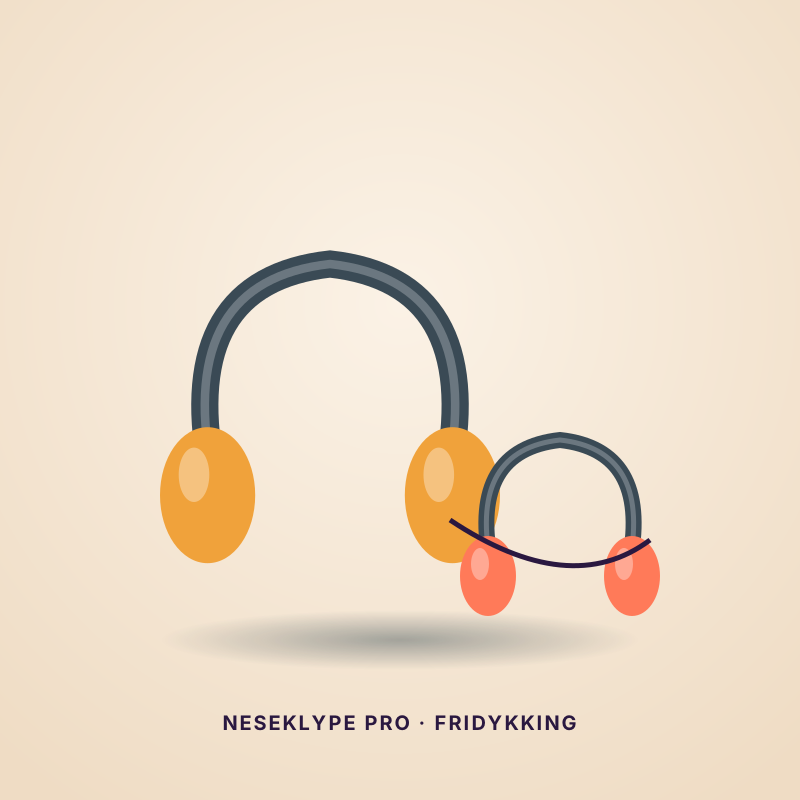
Nose clip Pro for freediving
A light nose clip with soft pads. Lets you equalize hands-free.
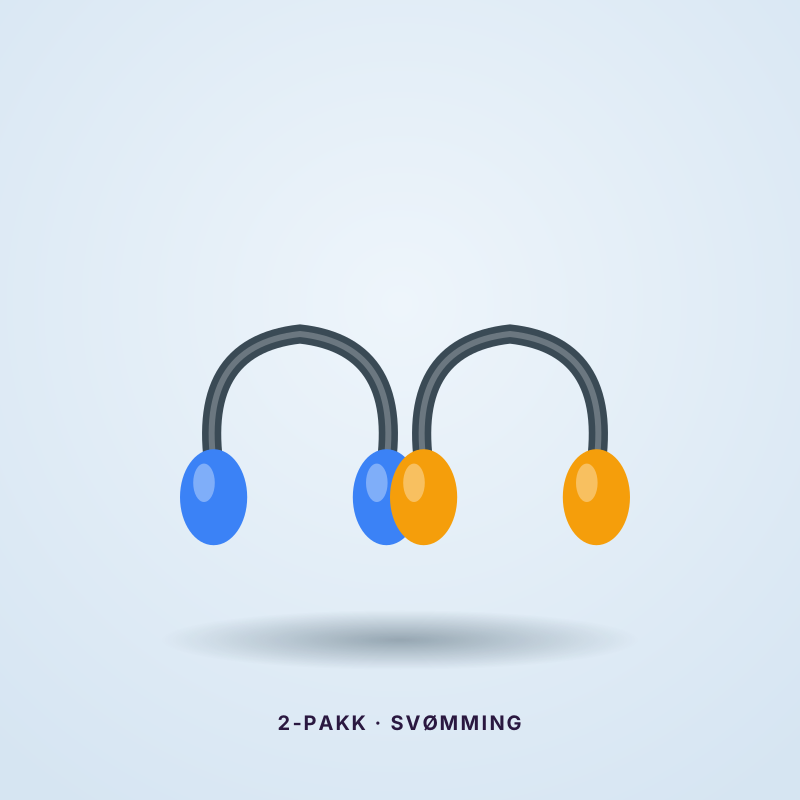
Nose clip Swim – 2-pack
A simple, affordable nose clip for swimming and synchronized swimming.
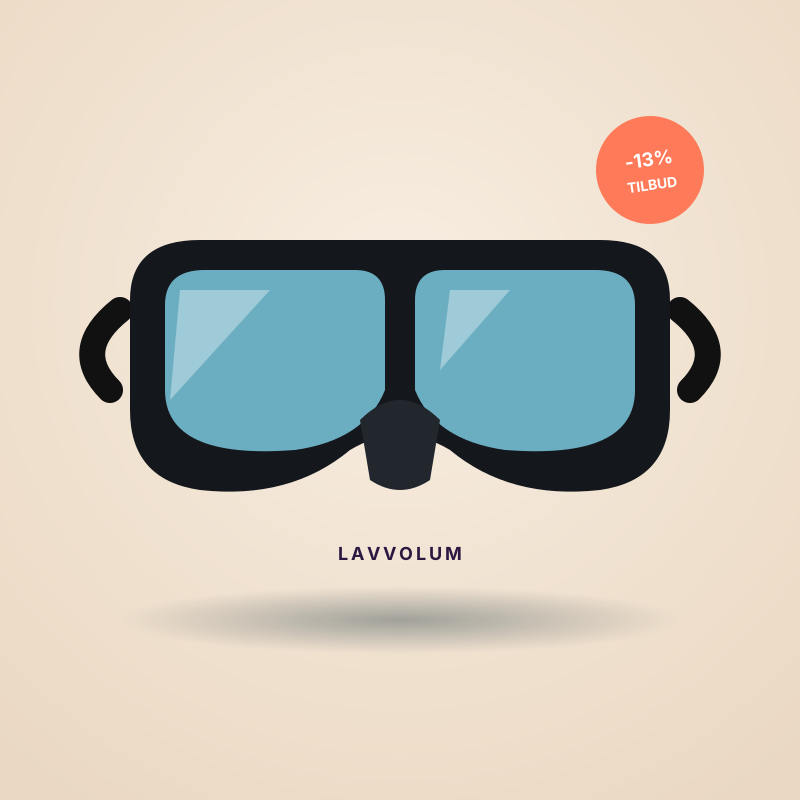
Freediving mask Low Volume
A small mask with little air volume – less air to equalize at depth.
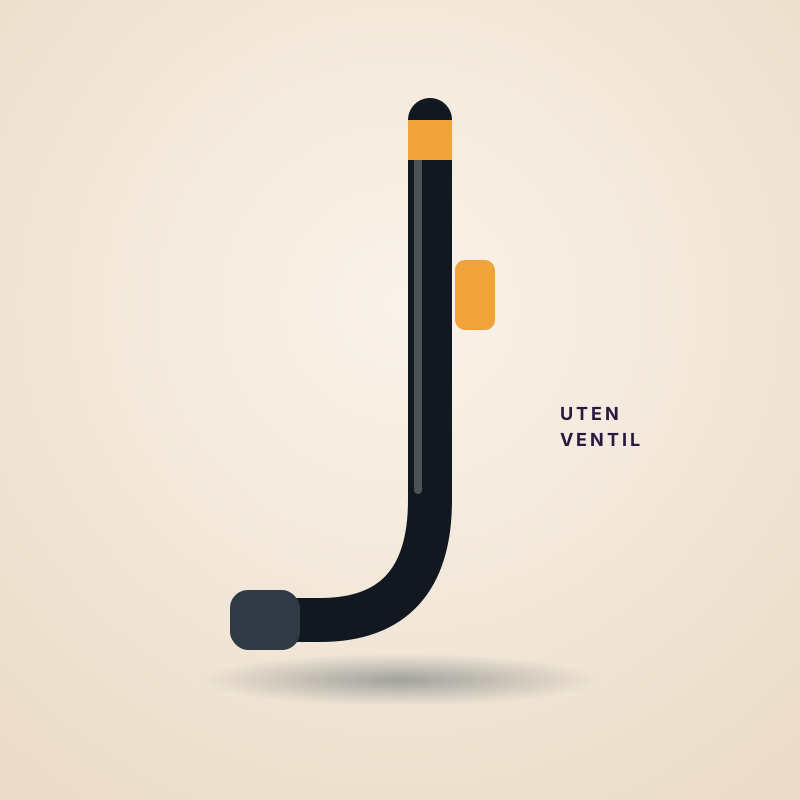
Freediving snorkel Soft
A simple, straight snorkel without valves – just how freedivers want it.
Learn breath-hold calmly – on dry land
One email every morning with the day’s session, a guided video and tables adapted to your own time. Always lying or sitting on dry land – never in water.
For adults with some experience. Longer holds are not a goal in themselves – stop if you feel dizzy or unwell. Read about safety.